

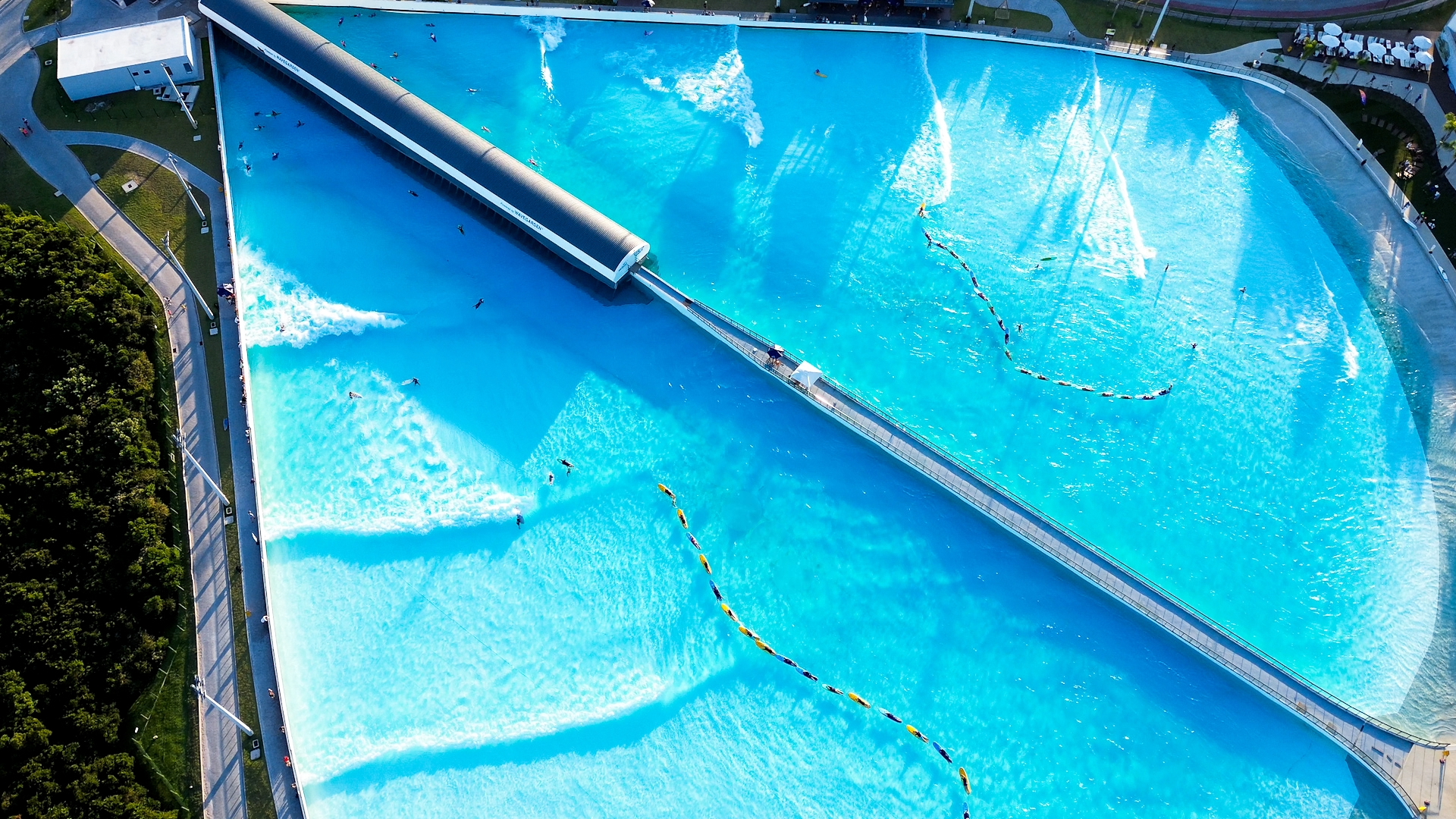
🌊 The Sound Science Behind Boca Surf Park
Peace and Tranquility
A comprehensive analysis of acoustic impact and community harmony in Boca Raton.
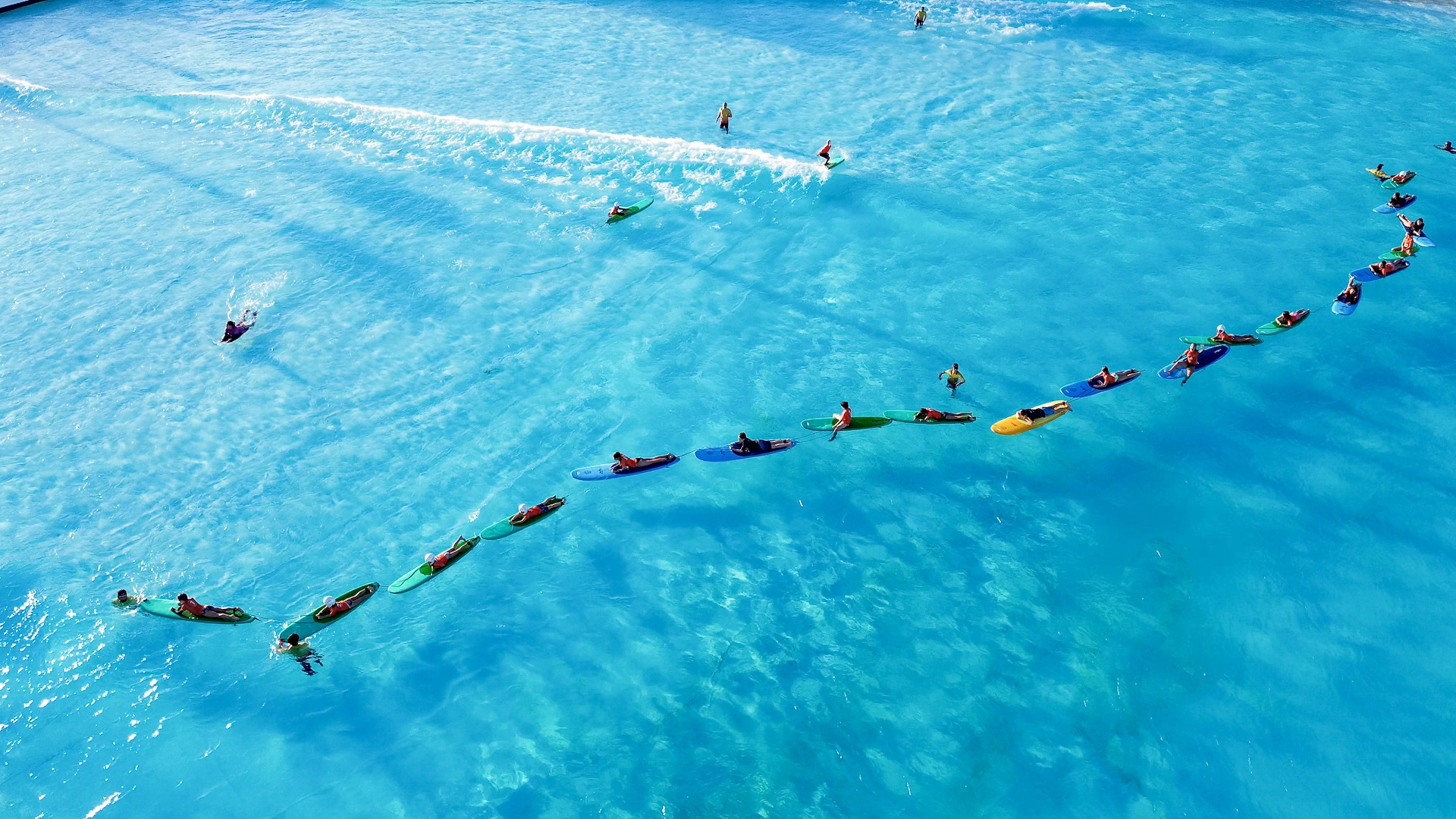
When residents of Boca Raton first hear about plans for a world-class surf park in their community, one of the most common concerns that emerges is noise. It is a natural and valid question. Will this new recreational facility disrupt the peaceful character of our neighborhoods? Will the sound of artificial waves compete with the existing sounds that already shape our daily environment?
The answer, supported by assessments from similar Wavegarden facilities and the specific design plans for Boca Surf Park, is reassuring. The proposed surf park would operate at 45-50 dB(A) at the property boundary, including all operational sources. That value is far below the familiar environmental sounds in Boca Raton from I-95 traffic, Brightline trains, and the airport.
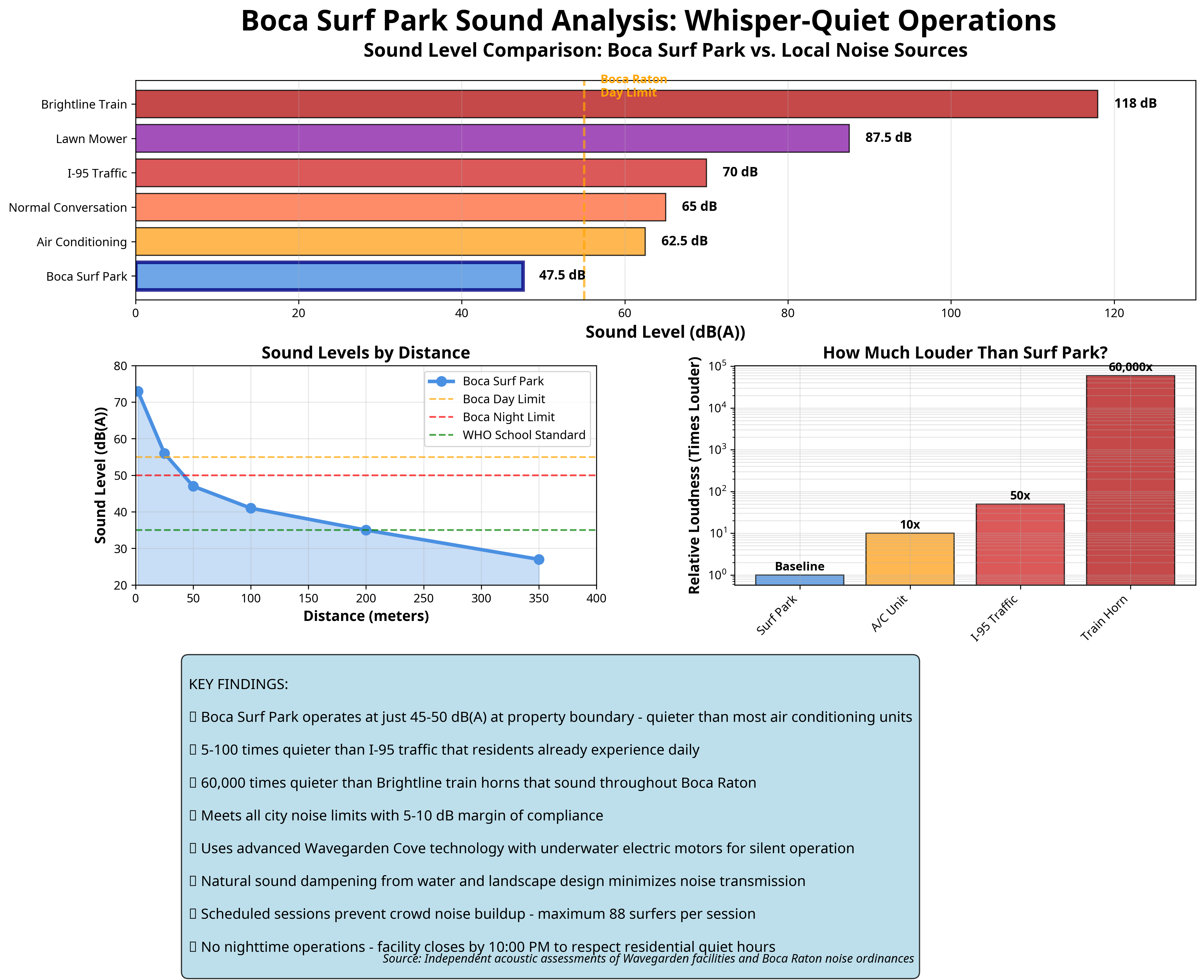
This analysis reviews measured data from comparable facilities, the technology planned for Boca Raton, and how those levels compare with the existing community soundscape.
It also explains what the numbers mean in practical terms for nearby homes and schools.
Understanding Sound in the Boca Raton Context
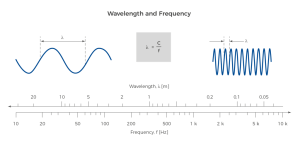
Environmental sound is reported in decibels (dB), usually A-weighted (dB(A)), to mirror how the ear hears different frequencies.
The decibel scale is logarithmic. A 3 dB change equals double the sound energy.
A 10 dB change is heard as roughly twice as loud.
These facts help explain the large real-world difference between 45-50 dB(A) and louder sources.
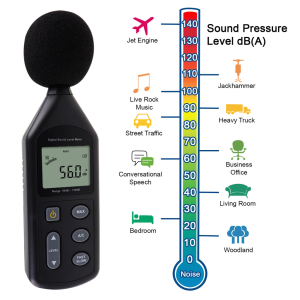
Boca Raton already includes multiple sound sources from roads, rail, air traffic, and daily activity.
The key question is how the surf park fits within that existing mix.
How Quiet is Wavegarden Technology?
One of the most remarkable aspects of the Wavegarden Cove system is how quietly it operates. The machinery runs with a near-silent hum, leaving the natural sound of waves as the dominant experience. This ensures the park blends seamlessly into the community and creates an atmosphere of relaxation rather than disruption.
In this video, recorded on an iPhone:
- First, you hear the sound standing right beside the Surf Lagoon.
- Next, you hear the current freeway noise at the North Park site, 1,400 feet from I-95.
The contrast is clear. The Surf Park will buffer traffic noise and replace it with the natural sound of waves.
Boca Surf Park’s Acoustic Profile
The park uses Wavegarden Cove technology with precision electric motors and hydrofoils that move water efficiently.
The result is natural wave sound with minimal mechanical noise.
Independent assessments from operating Wavegarden sites and the Boca design indicate
45-50 dB(A) at the property boundary during normal operations.
The dominant audible sound is the wave peel and break,
similar to what you hear at the beach, often masked by typical outdoor ambient noise.
Sound Impact by Distance
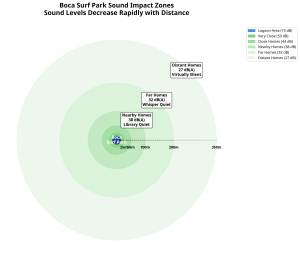
Reference levels by distance:
- 2 meters, lagoon edge: 73 dB(A), normal conversation level
- 25 meters: 50 dB(A), soft background music
- 50 meters: 44 dB(A), quiet office environment
- 100 meters: 38 dB(A), library quiet
- 200 meters: 32 dB(A), whisper quiet
- 350 meters: 27 dB(A), virtually silent
How It Compares to Existing Community Sources
Interstate 95
I-95 commonly measures 63-77 dB(A) at nearby residential areas, depending on distance and traffic mix.
Contrast: Boca Surf Park at 45-50 dB(A) is about 13-32 dB quieter,
roughly 5 to 100 times lower in sound energy.
Brightline Train Horns
At crossings, regulations require horn patterns that reach about 118 dB(A) at the source.
Even after distance loss, horn events are much louder than surf park operation.
- Brightline horn: about 118 dB(A)
- Surf park: 45-50 dB(A)
- Difference: roughly 68-73 dB, thousands of times greater intensity
Airport Activity
Departures and arrivals often register 70-85 dB(A) at ground level, depending on type and path.
That is 20-40 dB above surf park operations, which equals about 100 to 10,000 times more sound energy.
Everyday Community Sounds
Daily life often exceeds the surf park range.
Conversation is typically 60-70 dB(A).
Air conditioning units often measure 55-70 dB(A).
Lawn mowers commonly reach 85-90 dB(A).
Facility Operations and Capacity
The park is designed for up to 88 surfers per session with scheduled sessions that spread visits across the day.
The activity is individual, and the water surface provides natural attenuation.
- 88 surfers maximum per session
- Scheduled sessions reduce clustering and noise buildup
- Individual surfing activity rather than large group cheering
- Water surface contributes to sound absorption
The 45-50 dB(A) boundary figure reflects normal operating capacity at comparable sites.
Regulatory Compliance and Standards
Boca Raton residential limits are 55 dB(A) daytime and 50 dB(A) nighttime.
The surf park fits within those limits.
| Standard | Limit | Surf Park | Margin |
|---|---|---|---|
| Boca Day Limit | 55 dB(A) | 45-50 dB(A) | 5-10 dB below |
| Boca Night Limit | 50 dB(A) | 45-50 dB(A) | At or below |
| WHO Guidelines | 55 dB(A) | 45-50 dB(A) | 5-10 dB below |
Hours are typically 6:00 AM to 10:00 PM, so there is no late-night operation when ambient noise is lowest.
Why It Stays Quiet
- Electric motors rather than pneumatic compressors
- Underwater mechanics that favor natural attenuation
- Smooth wave formation with minimal mechanical sound
- Landscape buffers that absorb and scatter sound
- Curved lagoon geometry that disperses rather than reflects sound
- Water as absorber for additional dampening
Cumulative Noise Perspective
Adding a 45-50 dB(A) source to an area already dominated by 60-80 dB(A) sources such as I-95 changes overall levels by less than 1 dB(A), which people do not perceive.
In practice, the surf park is masked by existing community noise.
Conclusion: A Whisper in the Existing Symphony
Measured against familiar community sources, Boca Surf Park sits at
45-50 dB(A) at the property boundary.
That is well below highway traffic, train horns, and typical aircraft events.
With modern technology and site design, the park delivers world-class recreation
with a quiet acoustic footprint.
Bottom line: the surf park adds virtually no perceptible noise
to the existing environment and respects the calm character that defines Boca Raton.